
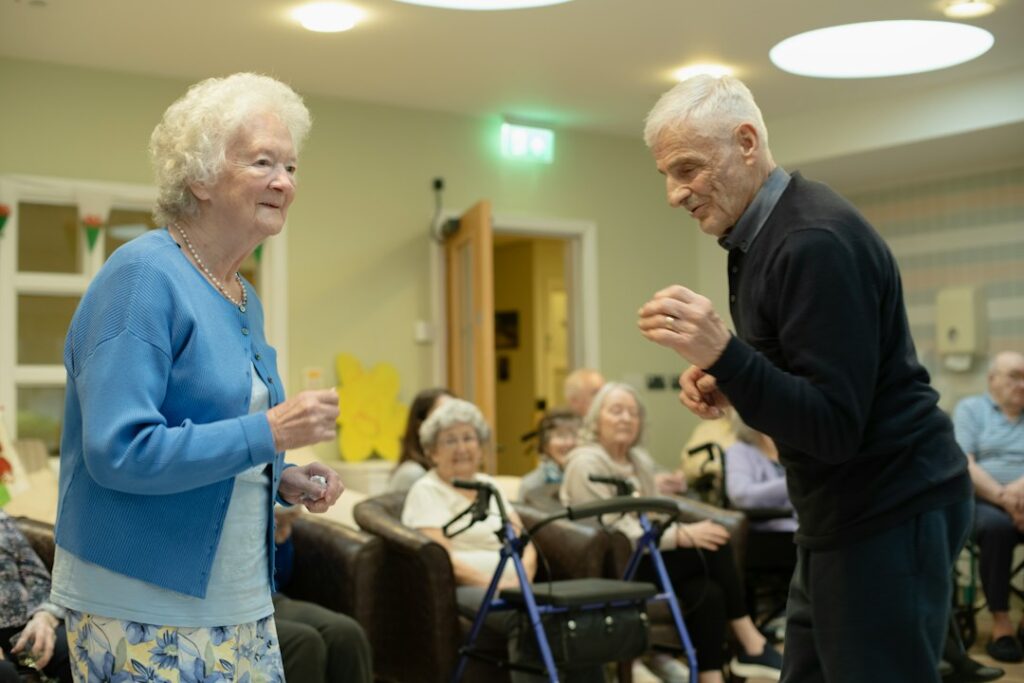
Healthy aging in assisted living is not about avoiding every health problem or following a perfect routine. It is about preserving strength, confidence, independence, and connection through manageable daily habits. Residents can often improve their well-being by staying active, eating regularly, sleeping well, preventing falls, and speaking up when something changes.
What does healthy aging look like in assisted living?
Healthy aging means supporting the abilities that help a person participate in daily life. That may include walking to meals, managing personal routines, joining activities, visiting with others, or making personal choices about the day.
Assisted living can provide helpful structure, but residents should still have opportunities to make decisions and set goals. A healthy routine might include:
- Getting dressed at a consistent time
- Taking part in movement or exercise
- Eating meals and drinking fluids regularly
- Spending time with other people
- Resting without staying inactive all day
- Reporting pain, dizziness, sleep changes, or mood concerns
A change in ability is not always “just aging.” New confusion, weakness, repeated falls, loss of appetite, or unusual tiredness should be brought to the attention of appropriate care staff and a health care provider.
How much physical activity is appropriate?
Most older adults benefit from a combination of walking or other aerobic activity, muscle-strengthening exercises, and balance practice. The right amount depends on a person’s health, mobility, pain level, and medical instructions.
Movement does not need to be strenuous to be useful. A resident might walk in an indoor hallway, practice standing from a chair, use light resistance bands, or participate in seated exercises. Balance activities may include supported heel-to-toe movements, controlled weight shifts, or tai chi-style exercises.
A practical weekly routine may include:
- Short walks or seated movement most days
- Strength exercises several times each week, as tolerated
- Balance practice while holding a stable support
- Gentle stretching after the body is warm
- Rest periods between activities
Residents should not exercise through chest pain, severe shortness of breath, faintness, or sudden weakness. Anyone with a new exercise concern, recent illness, or significant change in mobility should ask a qualified health care professional how to exercise safely.
During warm Pennsylvania summers, outdoor activity may be more comfortable in the morning or evening. In winter, icy walkways and cold temperatures can make indoor movement a safer choice.
What helps prevent falls?
Fall prevention works best when it addresses several factors at once. Strength and balance exercises matter, but so do footwear, lighting, medications, vision, and the arrangement of furniture.
Residents can reduce risk by:
- Wearing supportive, properly fitting shoes
- Using prescribed glasses, hearing devices, and mobility aids
- Keeping frequently used items within easy reach
- Rising slowly after lying or sitting
- Turning on lights before walking at night
- Asking for assistance when feeling dizzy or unsteady
- Keeping pathways clear of cords, loose rugs, and clutter
Medication reviews are also important. Some prescription and over-the-counter medicines can cause sleepiness, dizziness, or changes in blood pressure. Residents should not stop a medicine on their own, but they can ask whether their medications may affect balance or alertness.
A fall should be reported even if there is no obvious injury. Pain, fear of falling, or reduced activity afterward can lead to loss of strength and confidence.
How can residents maintain good nutrition and hydration?
Regular meals help support energy, muscle strength, healing, and concentration. A balanced eating pattern generally includes vegetables and fruit, whole grains, lean proteins, and appropriate sources of calcium and healthy fats.
Residents who have a small appetite may do better with smaller portions, nutritious snacks, or meals that are easier to chew. Changes in taste, dry mouth, dental problems, constipation, nausea, or difficulty swallowing can all affect food intake.
Hydration deserves attention throughout the day. Thirst may become less noticeable with age, and some medicines or health conditions can increase fluid needs. Water, milk, and other suitable beverages can be included with meals and between meals. Residents with fluid restrictions should follow their individualized care instructions.
Warning signs of poor nutrition or dehydration may include:
- Unplanned weight loss
- Dark urine or infrequent urination
- Dry mouth
- New weakness or confusion
- Ongoing constipation
- Clothes becoming noticeably looser

These changes should be reported rather than ignored.
Why are sleep and daily routines important?
Most older adults still need roughly seven to nine hours of sleep, although sleep patterns can change with age. Poor sleep may contribute to irritability, memory problems, low mood, and increased fall risk.
Helpful habits include keeping a fairly regular bedtime and wake-up time, limiting long late-afternoon naps, getting daylight during the day, and staying physically active at suitable times. Caffeine, large meals, and excessive fluids close to bedtime may interfere with sleep for some people.
A nighttime bathroom routine should be planned safely. Adequate lighting, a clear path, and properly positioned mobility equipment can reduce the chance of a fall. Loud snoring, repeated waking, breathing pauses, persistent insomnia, or excessive daytime sleepiness should be discussed with a health care provider.
How can residents protect emotional and mental health?
Social connection is part of physical health. Conversation, shared meals, games, music, faith practices, creative activities, and contact with family or friends can provide structure and meaning.
Residents do not need to participate in every group activity. A person who prefers quieter interaction might benefit from a short visit, a small discussion, reading with someone, or helping with a simple task.
Persistent sadness, loss of interest, anxiety, irritability, withdrawal, or major changes in sleep and appetite deserve attention. Depression is not a normal requirement of aging, and memory changes should not automatically be dismissed as age-related. A sudden change in thinking may signal illness, medication effects, dehydration, or another treatable problem.
What health appointments and screenings should residents remember?
Preventive care remains useful after moving into assisted living. Residents should keep track of recommended visits and screenings based on personal history, age, and medical conditions. These may include vision and hearing checks, dental care, bone health evaluation, blood pressure monitoring, vaccination updates, and chronic disease follow-up.
Keeping an updated medication list is helpful. The list should include prescription medicines, nonprescription products, vitamins, supplements, allergies, and the reason each medicine is taken when known.
Residents can also prepare questions before appointments:
- What changes should be reported right away?
- Could a medicine affect balance or sleep?
- Is there a safe exercise goal?
- Are there concerns about weight, swallowing, or hydration?
- Which screenings or vaccines are due?
How should seasonal conditions be handled?
Seasonal changes can affect routines and safety. In colder months, icy conditions may limit outdoor walking and increase fall risk. Residents may need indoor activity plans and reminders to dress warmly when going outside. During hot, humid weather, hydration, lighter clothing, and time in comfortable indoor areas may be important.
Weather-related changes can also affect mood and social contact. A resident who spends more time indoors may need additional opportunities for conversation, movement, and meaningful activity.
Healthy aging is most sustainable when routines are realistic. A few consistent habits—moving safely, eating and drinking regularly, sleeping on a schedule, staying connected, and reporting changes early—can help residents protect function and quality of life while remaining active in the community.
